
#GIVEASHIT
The ‘H’ in WASH
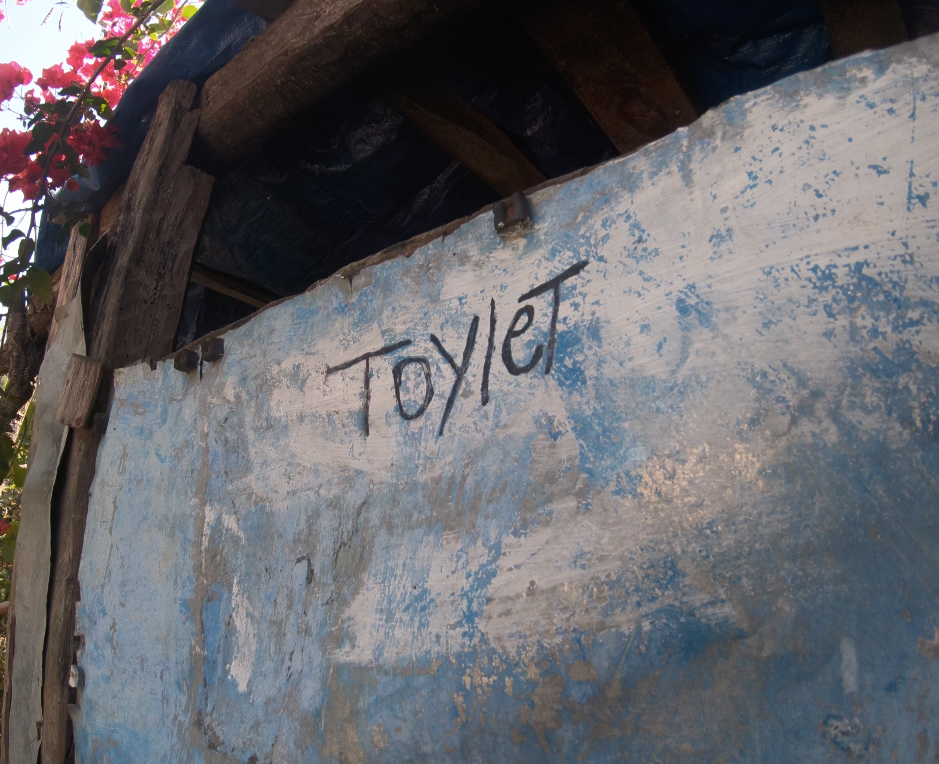
Having a place to poo is important. However, behaviour surrounding toilet activities, particularly hand washing, can be just as significant as having a toilet to begin with.
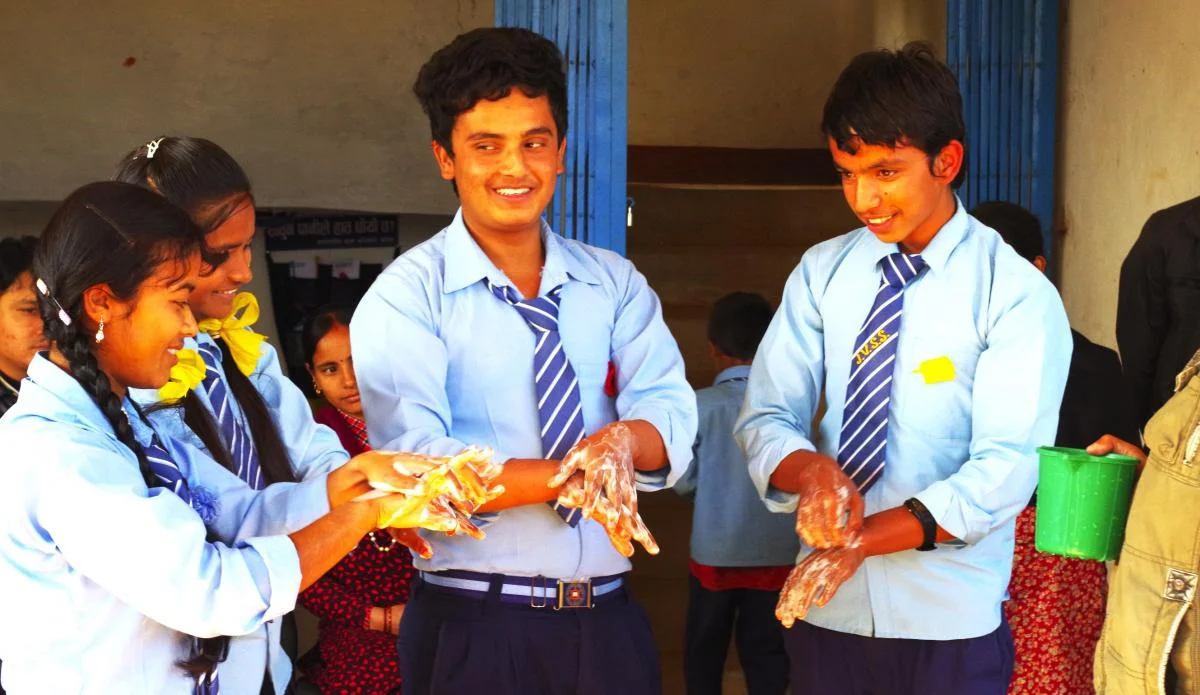
The WASH sector (Water, Sanitation and Hygiene) often focuses on the hardware of toilets, pipes and drains, but access to hardware isn’t everything. The ‘H’ is a key part of improving health through WASH, because without hand washing people will quite literally continue eating shit. Fecal matter travels easily to hands after defecation and, without hand washing, can then travel easily to food or other surfaces.
The story by stats
According to the Centers for Disease Control and Prevention, 1 gram of poo (think the weight of a paperclip) can contain 1 trillion (1,000,000,000) germs. Hand washing can prevent spreading those germs and decrease illness: evidence shows that proper hand washing can reduce incidence of diarrhea by 30%. With 500,000 children dying each year from diarrhea, related to poor quality water and sanitation (WaterAid, n.d.), hand washing (with soap!) is a simple step for reducing those deaths.
Hand washing can also contribute to reducing children’s absence from school by decreasing the amount of time they’re sick. Programs that promote hand washing, provide soap and put in place peer hand washing champions have been shown to lead to 54% fewer days of school absence. And that sickness isn’t limited to diarrhea – other health issues, like respiratory illness, skin infections, and intestinal worm infections, can also be decreased with hand washing.
Taking action
Of course, knowing about the risks of dirty hands and actually washing them isn’t the same thing. Behavior change is a huge part of preventative health, and it’s often the most difficult step to implement. Just ask any smoker or chocoholic. That’s why Manavta’s engaging educational programs, which encourage positive hygiene-related behavior change among students, are a key part of what we do.
So next time you finish up your daily constitutional or hang out with your pet chicken, don't forget to wash your hands before you make food or hold hands with that special someone!
Ranting about Gender
News from the subcontinent last week focused on the rat poison found in drugs administered to women following a group sterilization procedure in Chhattisgarh, India. While concern has rightfully been raised regarding the quality of pharmaceuticals in India, another issue within this story seems to have raised few eyebrows – why are the women being sterilized?...
The Brief
News from the subcontinent this week focused on rat poison found in drugs administered to women following a group sterilization procedure in Chhattisgarh, India. While concern has rightfully been raised regarding the quality of pharmaceuticals in India, another issue within this story seems to have raised few eyebrows – why are these women being sterilized in the first place?
Sterilization procedures performed on women (called tubal ligations) are more invasive and riskier than those performed on men (vasectomies), but most news coverage has simply noted that ‘cultural taboos’ make the procedure for women more common in India. They fail to engage with the fact that population control in India comes in the form of enacting control over women’s bodies rather than through other (safer and less invasive) means.
Gender inequalities on the subcontinent are not news. In 2012, India ranked 57th out of 86 countries on the Social Institutions and Gender Index. Nepal ranks better than its neighbors on the Index, but discrimination persists. According to Nepal’s 2013 MDG report, only 57.4% of females over 5 are literate compared with 75.1% of males. Recent increases in female school attendance may improve this statistic in the future.
Bringing it home
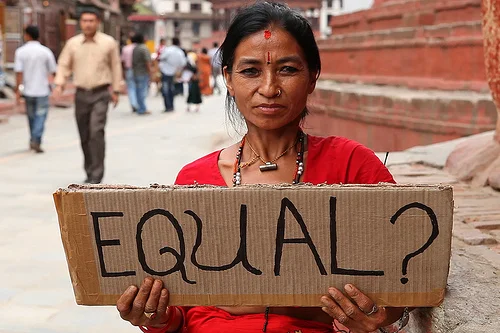
Of course, gender inequality is not just an issue in the developing world. Women face discrimination in the rich world, too (see, for example, the recent news on a group teaching lessons in enacting violence on women). Fighting pervasive prejudice globally requires changes in attitudes and increased opportunities for marginalized genders to voice their perspectives and needs.
With indications that lack of toilets in schools may impact school attendance in Nepal, particularly for girls post-puberty, toilet-building takes on one of the many pieces required for continuing to improve gender equity. And that’s why we #giveashit.